News

Articles

  • CRV strengthens Feed Efficiency research: focus on sustainability and genetics

    CRV strengthens Feed Efficiency research: focus on sustainability and genetics

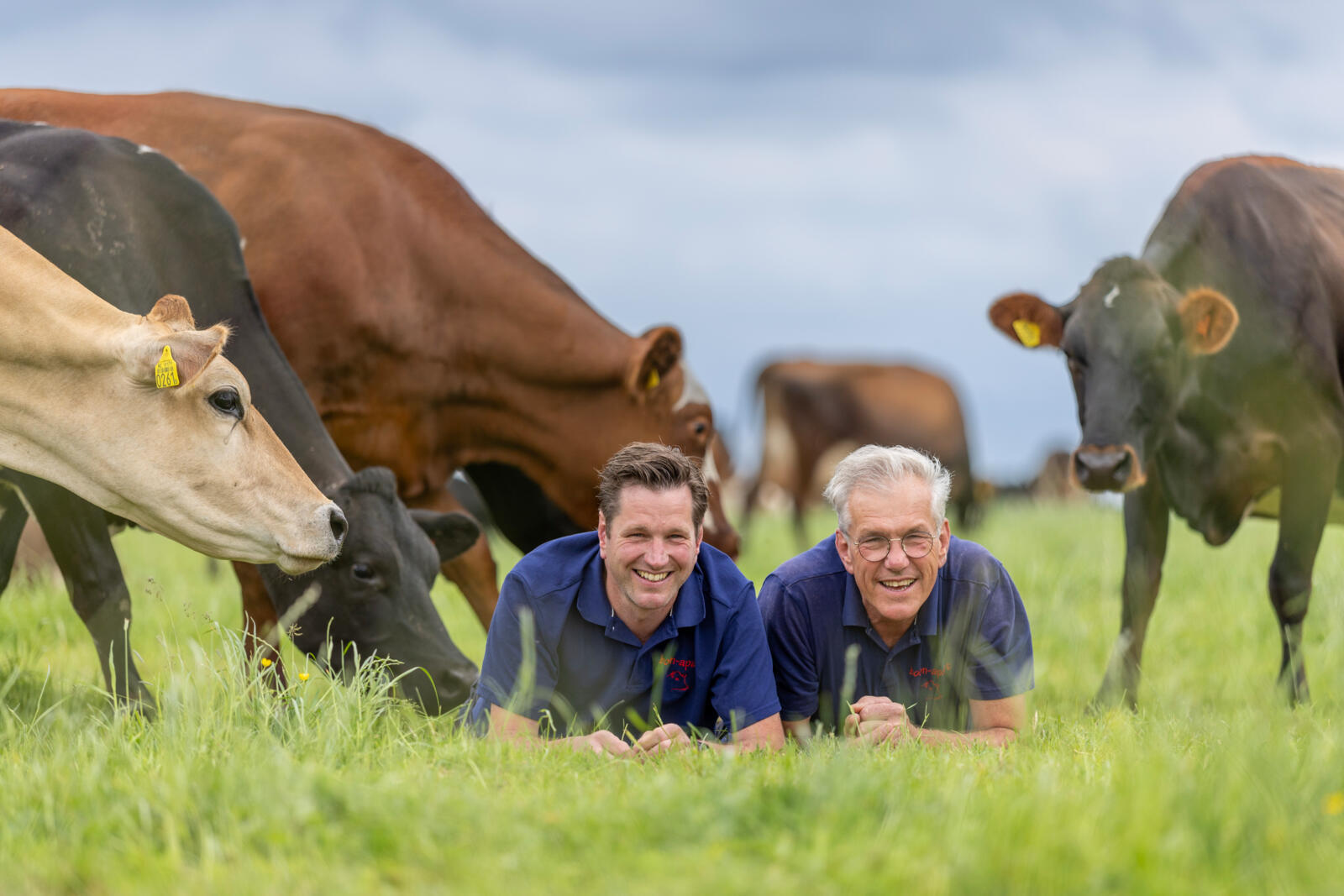
    CRV is moving the Feed Efficiency research into the next phase. Two of the original test farms are completing their role, while three commercial farms — Duursma, Meerkerk and Van Gastel — will continue the research. Thanks to them, we maintain continuity in data collection and a solid foundation for our genetic analyses.
  • CRV bulls prove: Efficient, trouble-free production go hand in hand

    CRV bulls prove: Efficient, trouble-free production go hand in hand

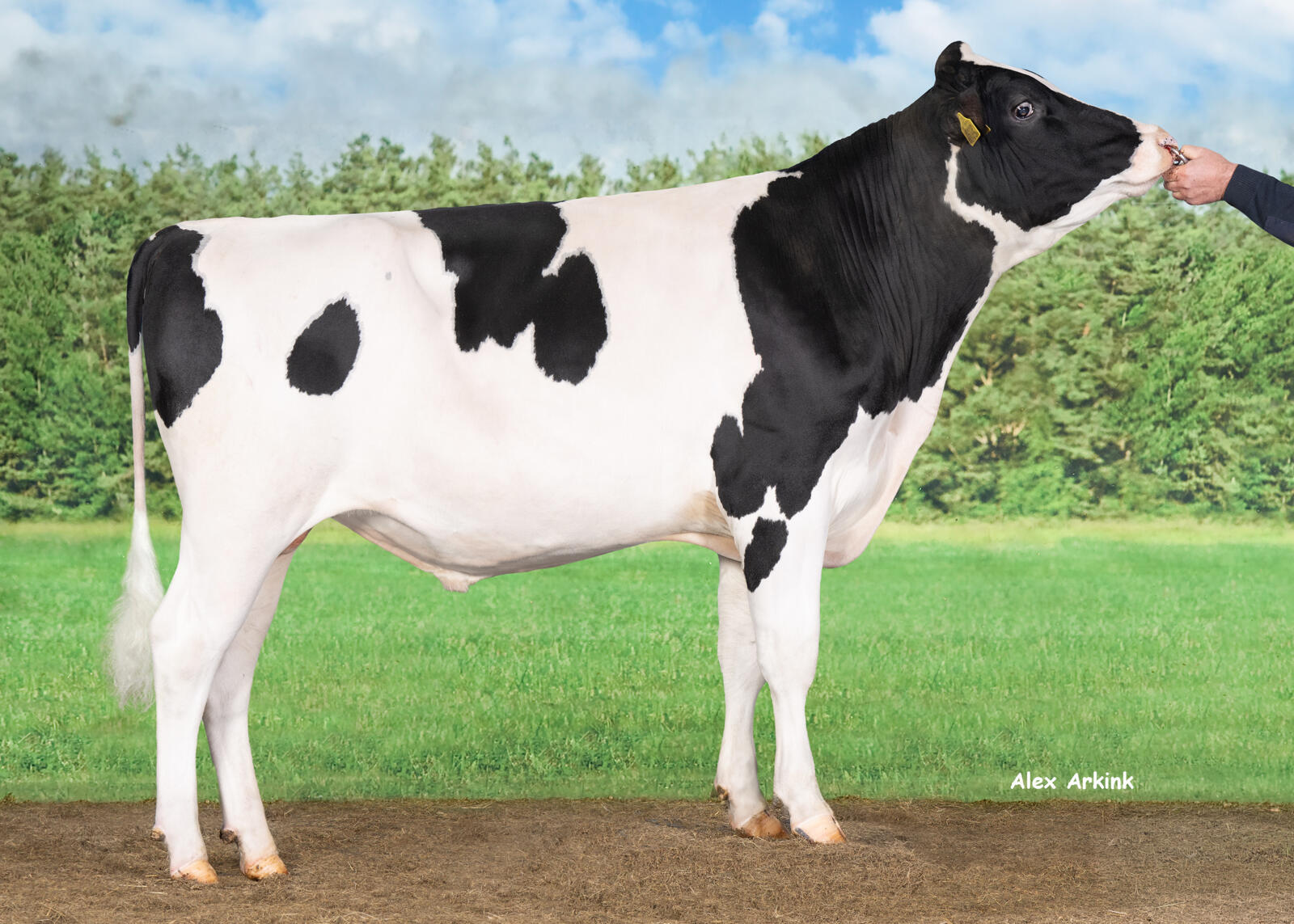
    Ask any dairy farmer about their breeding goal and you will get a similar answer: cows that produce efficiently and trouble-free, and that last a long time. Makes sense — every farmer wants to achieve the highest possible return with maximum job satisfaction. That’s why CRV offers an attractive selection of bulls for dairy producers all over the world. All bulls excel in efficiency, longevity, and health, while each has its own specific strengths such as polledness and strong conformation.
  • Strong breeding philosophy continues to drive CRV’s Fleckvieh progress

    Strong breeding philosophy continues to drive CRV’s Fleckvieh progress

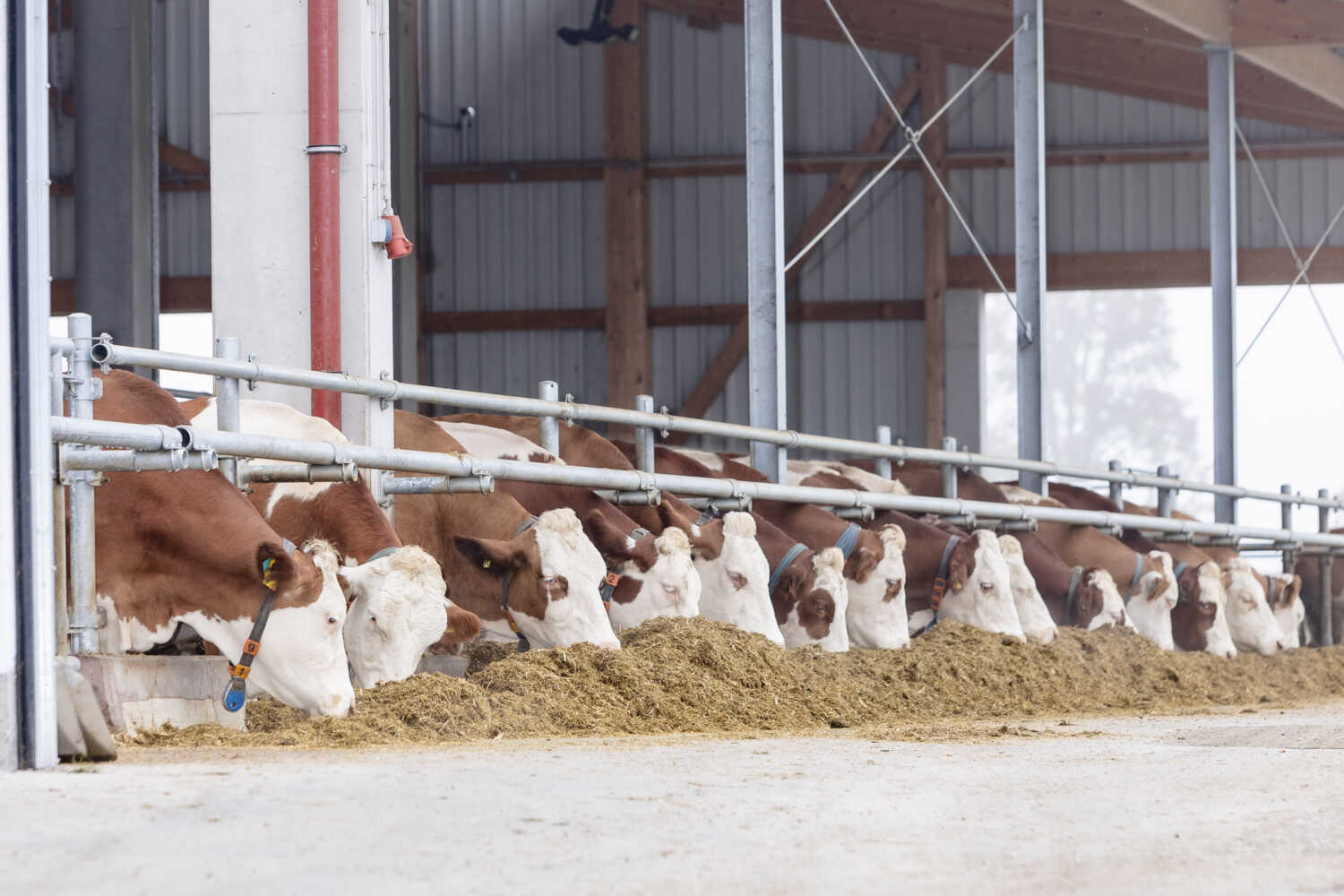
    Efficiency and health remain the cornerstones of our Fleckvieh (FV) breeding philosophy. By focusing on balanced performance traits and long-term sustainability, we continue to deliver genetics that support modern dairy and beef production. Our breeding goal centers on cows that provide sufficient milk and components, combined with excellent exterior—particularly in feet and legs and udder quality—while also maintaining strong beef performance. Equally important are traits that ensure cows are easy to manage throughout their entire lifetime. This includes robust health, improved udder health, strong longevity, and highly fertile daughters. Together, these core elements define the unique strengths of our FV program and set our genetics apart.
  • Step by step toward healthier udders: how to prevent mastitis

    Step by step toward healthier udders: how to prevent mastitis

    Every dairy farmer knows the pattern: as soon as the weather turns warmer and more humid, more cases of mastitis start appearing in the barn. “If the milk recording report shows that more than 15% of your cows have elevated somatic cell counts, it’s time to take action,” advises veterinarian Arnout Patyn. “Sound the alarm as well if your bulk tank somatic cell count exceeds 250,000 cells per milliliter.” Dr Sofie Piepers, udder health specialist at Ghent University, adds: “In herds with multiple risk factors, warm and humid conditions can provide just the extra push that turns a subclinical infection into visible mastitis. Those risk factors lie in the milking routine, milking technique, bedding, and the functioning of the milking machine. It’s crucial to address as many of them as possible.”
  • Fast Lane daughter group impresses at HHH Show

    Fast Lane daughter group impresses at HHH Show

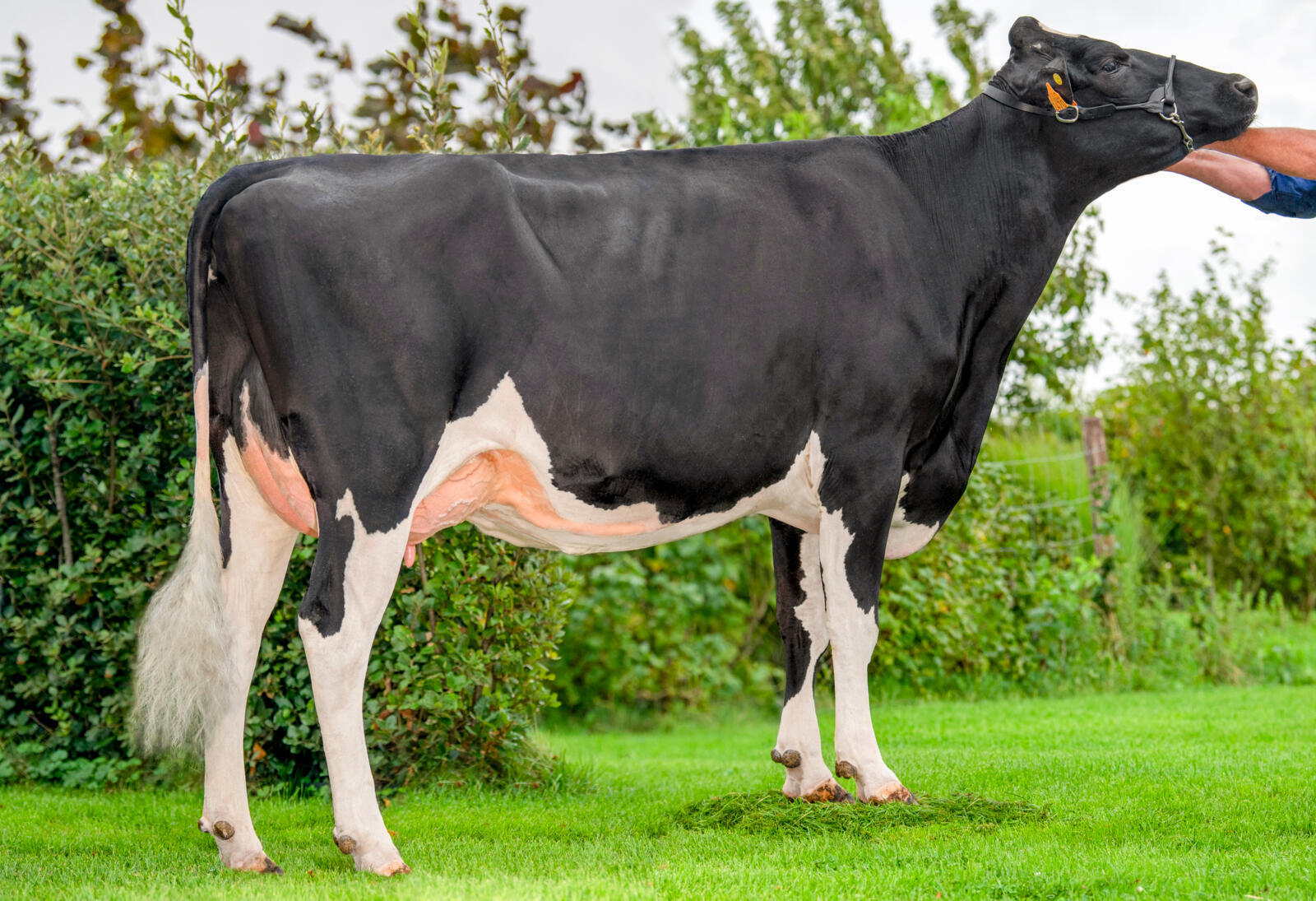
    Delta Fast Lane made a strong impression at last weekend’s Holland Holstein Show. In Leeuwarden (Netherlands), he presented a highly uniform group of young daughters, all showing appropriate stature, strong skeletal strength, broad forequarters and rump, and excellent condition. Both front and rear leg conformation were perfectly parallel, and the animals moved powerfully around the ring. On display, their broad, high-set udders stood out, and from the front, the quality of the udder attachments was equally impressive.
  • Double W Rustic brings ‘Ricky Power’ to red and white

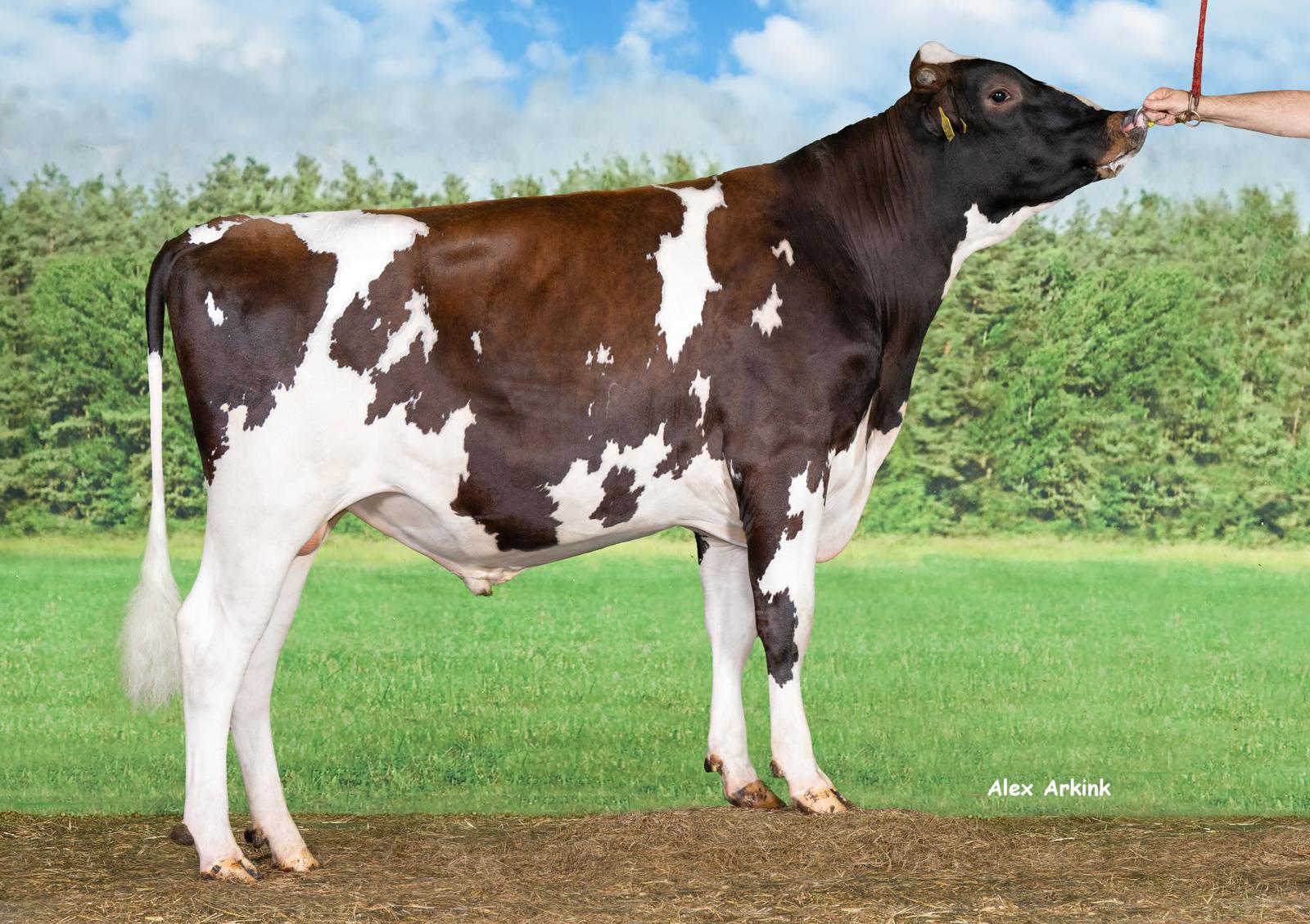
    Double W Rustic brings ‘Ricky Power’ to red and white

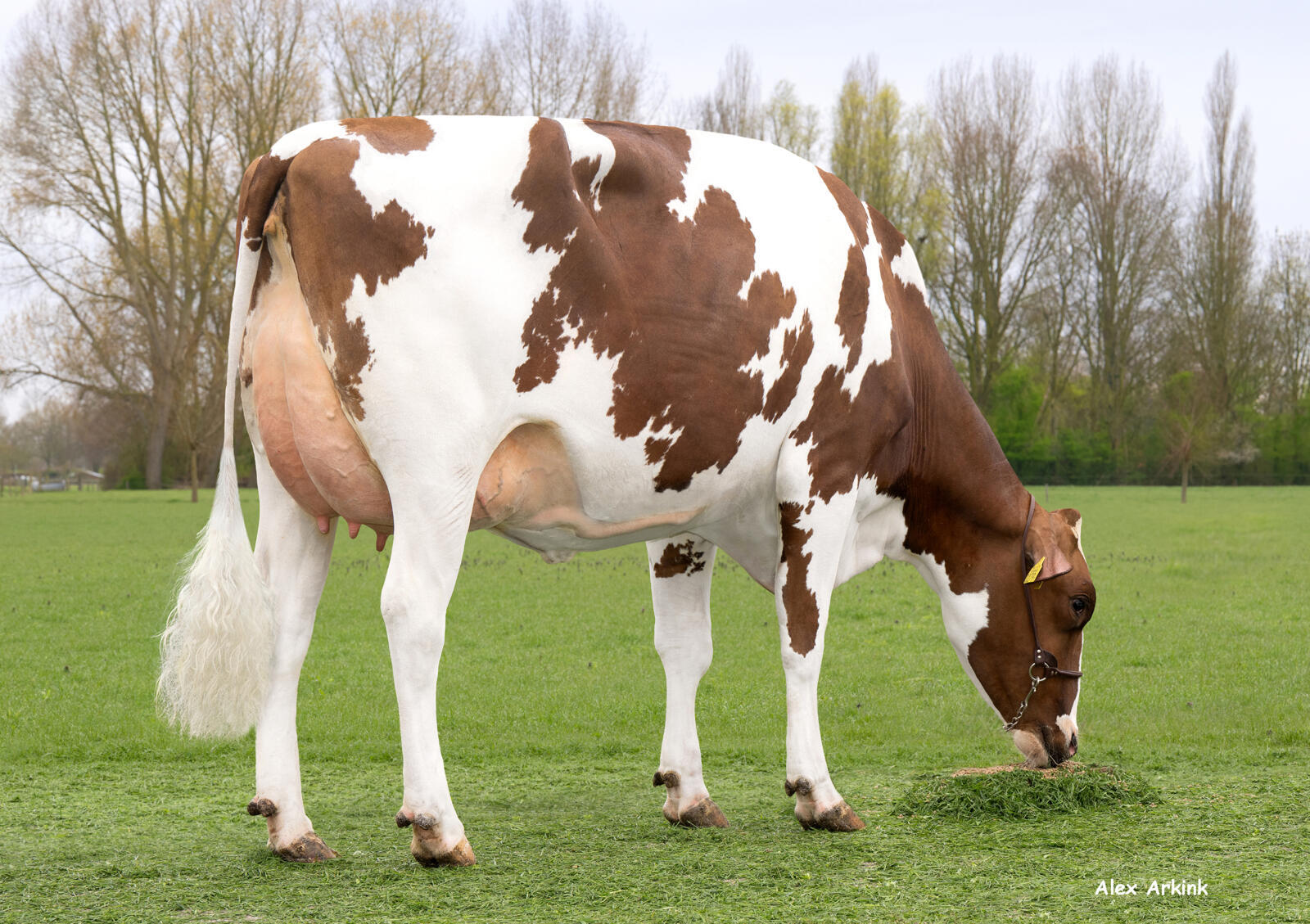
    Thanks to bulls like Double W Ranger and Double W Rush Hour, the Double W Ricky family of Willem Booij and Wendie Ottens from Benneveld in the Netherlands has become one of the most influential cow families in the Dutch-Flemish Holstein breeding world in recent years.